
The role of the family in university life was discussed at MAKÜ Science Cafe
Yapılış Tarihi | 21 September 2026, Monday

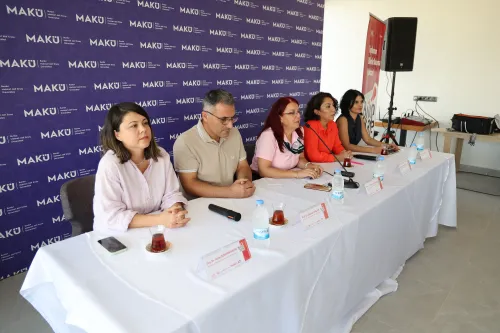
Burdur Mehmet Akif Ersoy University (MAKÜ) Science Cafe hosted the event “The Role of the Family in University Life” that brought together students and parents in the early days of the new academic year. In the meeting held at Medusa Valley Cafe; the adaptation process of young people starting university, the changing roles of families, healthy communication, psychological well-being, and the risks that may be encountered in university life were addressed.
The program, which attracted great interest from students and parents, was moderated by Prof. Dr. Firdevs Savi Çakar, Dean of the Faculty of Education at MAKÜ, while Prof. Dr. Özlem Tagay, Prof. Dr. Gökmen Arslan, Assoc. Dr. Canan Gönüllü, and Assoc. Dr. Serap Özdemir Bişgin participated as speakers.
“The role of families is also changing with the university”
In the opening speech of the program, Prof. Dr. Firdevs Savi Çakar stated that the start of university for students also marks the beginning of a new era for families. Çakar emphasized the importance of families not making decisions on behalf of young people while supporting them and allowing them space for independence.
Prof. Dr. Özlem Tagay, in her evaluation titled “Fundamental Expectations and Roles Awaiting Young People in University Life,” expressed that the university period is an important stage in the transition of young people from childhood to young adulthood. She stated that families should guide young people on issues such as time management, budget planning, personal care, and academic responsibilities, but also provide opportunities for them to take on their own responsibilities.
Tagay also noted that students can receive free support from the MAKÜ Psychological Counseling Center when they need it, emphasizing that counseling services are not only for students facing serious problems.
“University is not just about classes”
Assoc. Dr. Canan Gönüllü stated that the university years are an important period for the personal and social development of young people in her talk titled “Healthy Relationships in University Life.” Gönüllü highlighted the importance of families providing unconditional support to young people during this process and establishing healthy communication.
Gönüllü pointed out that student clubs also offer important opportunities for young people to develop their social skills, take on responsibilities, and gain teamwork experience, stating that the MAKÜ Women and Family Studies Application and Research Center is one of the support mechanisms for students.
“Coping with difficulties can empower students”
Prof. Dr. Gökmen Arslan evaluated students' experiences in university life through the concepts of psychological well-being and psychological resilience. Arslan noted that adaptation problems and anxieties may occur during the initial period of starting university, stating that families should support students in coping with their own problems instead of solving every issue for them.
Arslan emphasized the importance of sleep regulation, healthy nutrition, and supportive friendships for psychological well-being, stressing that university life should not be evaluated solely based on academic success.
Assoc. Dr. Serap Özdemir Bişgin also drew attention to the adaptation process of young people starting university to new environments, friendships, and academic responsibilities, explaining the importance of the support and solidarity that families will provide during this process.
The program also addressed the risks that students may encounter, stating that no form of violence is acceptable and that legal, psychological, social, and security support can be provided to students if needed.
The event concluded with the answers to questions from students and parents after the evaluations of the speakers. The program highlighted the importance of supporting young people starting university not only academically but also socially and psychologically, and the need for families to adapt to their changing roles while allowing young people space for independence.